
-
Inside the Dental Implant Procedure
After losing a tooth, or multiple teeth, you may want to consider dental implants near Bel Air . Dental implants are used in place of a missing tooth, as an artificial root for a new crown or bridge to fill in any gaps in your smile. An implant is surgically placed by a dentist and attaches to the existing bone. For more information about the procedure, continue reading this article.
Considering Surgery
If you have a missing tooth, you may be wondering if you are a candidate for surgery. Dental implant recipients are generally in good overall health. Since dental implants are most successful when they are able to easily integrate with the jawbone, it is best when recipients have healthy gum tissue, free of periodontal disease.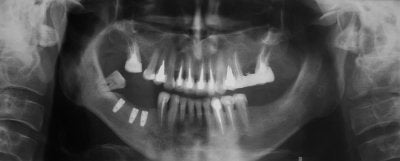
Placing the Implant
The dental implant procedure actually consists of multiple surgeries. The first surgery is the procedure to insert the implant into the gum. A dentist will make an incision in the gum to expose the bone and correctly place the implant in the gum. At this time, the implant will begin to fuse together with the bone as the incision heals. This keeps the implant in place.Placing the Abutment
Once healing is complete, usually after about six months, the dentist will make another incision to expose the implant. The dentist will inspect the implant to ensure proper healing and placement. At this time, the abutment will be attached to the top of the implant. This is the piece that will connect the implant to the crown or bridge. The second component of the procedure takes less time, and healing time is quicker as well. In some cases, a dentist or oral surgeon may opt to place the implant and abutment at the same time.Caring for a Dental Implant
Once the gums have healed and the implant is in place, a crown or bridge will be placed. This completes the dental implant procedure. To care for a dental implant is no different than caring for the rest of your teeth. Regular brushing, flossing, and dental cleanings will keep your dental implant healthy. -
What’s in Your Toothpaste?
Do you know what you can do to prevent gum disease in Bel Air ? Visit your dentist regularly and brush your teeth twice a day. One of the best ways to prevent gum disease and other dental problems is to practice good oral hygiene that includes brushing and flossing. While it is no surprise that brushing your teeth helps prevent gum disease, you may not know what is in your toothpaste that is so important.
The most important ingredient is fluoride, a mineral that helps fight bacteria in your mouth that leads to gum disease. Watch this video for more information about all the ingredients in your toothpaste. From potassium nitrate to help protect sensitive teeth to pyrophosphates to fight tartar, toothpaste is full of active ingredients to keep your teeth healthy. Your dentist can help you learn more about toothpaste.
-
What Makes a Whiter Smile Valuable?
Have you always wanted a whiter and brighter smile? Dentists in Bel Air agree that a whiter smile gives an immediate impression of youth, happiness, and health. Teeth whitening is now one of the most popular and cost-effective procedures in cosmetic dentistry. There are many options for teeth whitening, so you should always consult with your dentist about the best teeth whitening procedure to brighten your smile. Read on to learn more about the many valuable benefits of teeth whitening.
Younger Appearance
Everyone is born with baby teeth that are almost purely white. Unfortunately, as these teeth are replaced by permanent adult teeth, most people experience gradual discoloration. After many years of drinking coffee and wine, smoking, and simply aging, the teeth can become darker, yellower, or stained. Additionally, internal tooth discoloration may occur after exposure to high levels of fluoride. A whiter smile has been proven to be one of the most effective ways to look immediately younger, as the teeth regain the pure white color of youth.
 Improved Career Options
Many people visit their dentist for teeth whitening for a cost-effective way to increase their productivity at work. Whether you work in sales and spend your day selling your wares to potential investors or spend most of your time at a desk in an office, almost all careers involve interacting with customers and clients. Teeth whitening can measurably boost your self-esteem, making it easier to do everything from working with a team of co-workers to asking your supervisor for a raise.Increased Sociability
If you are like most people who have experienced teeth darkening or aging, you may smile with a closed mouth or shield your teeth with your hand when laughing or talking. But you should never let your insecurities about your smile put a damper on your social life. Whether you are single and looking for someone new or simply venturing out for drinks with friends, you deserve to feel proud of the way you look. A bright, white smile makes you automatically appealing to others and enables you to feel confident in any kind of social situation. -
Technology Spotlight: Digital X-Rays
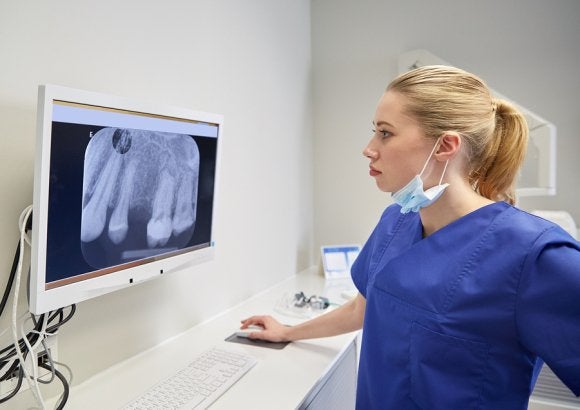
Along with regular teeth cleanings and inspections for oral cancer, digital x-rays are a common procedure in general dentistry . Instead of x-ray film, many dentists near Bel Air now rely on images captured from an electronic sensor and stored on a computer. This innovative technique reduces radiation by up to 90%. X-rays are essential diagnostic tools because they reveal problems that cannot be seen with the naked eye. For example, x-rays taken by your dentist may reveal tumors, tooth decay, abscesses or cysts, bone loss, or gum disease. By detecting and treating dental issues at an early age, your dentist can help save you time, money, and pain down the road. While x-rays are completely safe, dentists still use shields to protect the body and only take x-rays that are absolutely necessary. Your dentist will generally recommend x-rays after undertaking a careful review of your medical and dental history, considering your signs and symptoms, and taking into account your age and risk of disease.
-
How Dental Implants Can Benefit You
Dental implants are regularly placed by dentists near Bel Air and are highly recommended for certain patients who have lost teeth due to disease or injury. Acting as substitutes for the roots of missing teeth, dental implants provide permanent anchors for a replacement tooth or crown. Continue reading to find out how dental implants can restore your smile and benefit your overall oral health.
Better Appearance
If you are like most people who are missing one or more teeth, you may have experienced a loss of self-esteem. Missing teeth can make it almost impossible to interact in social situations and can even make it challenging to advance in your career. Dental implants ensure that you have a complete, healthy smile so you can feel confident in any business meeting or social setting. Dentists also recommend dental implants because they are more predictable than bridgework.
 Improved Chewing
With missing teeth, chewing even soft foods can be a challenge. In fact, dentists often see patients who have resorted to chewing on only one side of the mouth. Unfortunately, the soft gums are highly susceptible to cuts and sores, which can easily lead to infection with the presence of food. Additionally, nearby teeth can become tipped, crowded, or chipped. Dental implants completely restore your smile and replace all missing teeth, making chewing your food painless and efficient.Permanent Solution
Dentists often recommend dental implants for people who have lost one or more teeth due to disease, decay, or injury. Dental implants are also well-suited to patients who are no longer able to wear removable dentures and need a permanent fix. While dental implants cannot be placed in patients who do not have enough bone to support the implant, your dentist can recommend safe and effective ways to correct bone deficiency. Dental implants will restore your smile and save your dental health. -
The Oral Health Risks of Tobacco Use
Using tobacco products, including cigarettes and smokeless tobacco, can severely impact your oral health. As your dentist can explain, tobacco use dries out your mouth, decreasing the natural production of saliva. Saliva acts as a cleansing agent in the mouth, removing harmful bacteria that can cause plaque, tartar, and gum disease. The next time you visit your dentist in Bel Air , ask about the dangers of tobacco use.
Watch this video to learn more about the oral health risks associated with tobacco use. In the video clip, a dentist from the American Dental Association discusses how tobacco use increases your risk of developing infections, gum disease, tooth loss, and oral cancer.
-
Why It’s Important to Treat Gum Disease
Gum disease, or periodontal disease, is caused by poor dental hygiene. When plaque builds up on your teeth and hardens into tartar, it harbors harmful, dangerous bacteria. If not treated by a dentist or periodontist, this bacteria eventually causes gum disease. If you’re concerned that you might be suffering from gum disease in Bel Air , visit a dentist near you for treatment as soon as possible. Keep reading for information about why it’s important to treat gum disease.
Avoid Receding Gums
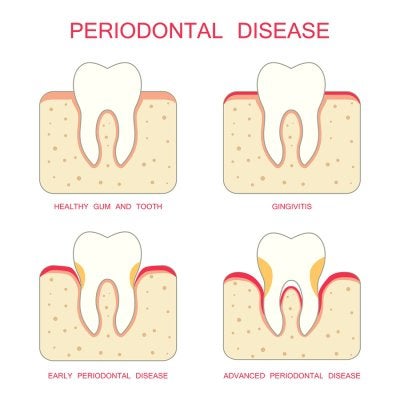 If left untreated, the early, milder symptoms of gum disease will quickly progress into much more serious dental problems. Gum disease causes your gums to become inflamed, tender, and red. They will bleed easily, making you very susceptible to oral infections. Your gums will also begin to recede. If you visit a dentist regularly, or visit a periodontist at the first sign of gum disease, you can avoid developing receding gums.
 Prevent Tooth Loss
As gum disease continues to infect your gums and tissues, the gums will begin to pull away from the teeth. This causes spaces, or pockets, to form between the teeth and gums. These pockets are very vulnerable to infection, as it’s easy for bacteria and food to get trapped inside them. While the body’s immune system fights the bacterial infection, the bone and connective tissue that hold the teeth in place will begin to break down. If an emergency dentist or periodontist doesn’t intervene, you may eventually suffer from tooth loss.Decrease Your Risk of Developing Other Health Problems
The longer gum disease is left untreated, the more severe it becomes. Because it’s a very serious infection, it can spread to other parts of your body through your bloodstream. Your immune system will continue trying to fight the infection, which will tax your body’s resources, making you feel weak. If a dentist doesn’t treat gum disease, the infection can increase your risk of developing very serious health problems. Due to your weakened immune system, you will be much more susceptible to cardiovascular disease, diabetes, respiratory disease, and certain types of cancer. -
The Uses of Composite Fillings
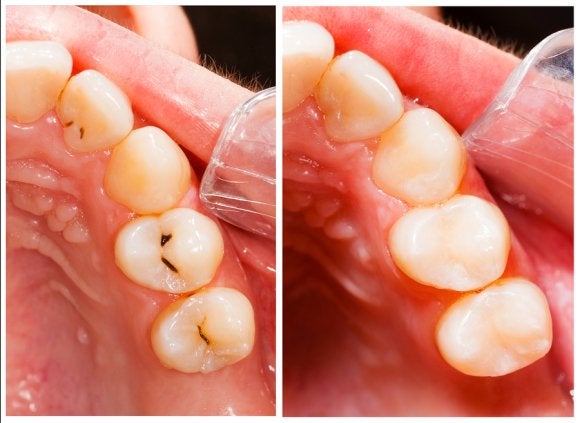
Composite fillings are used in emergency dentistry, general dentistry, and cosmetic dentistry to restore and repair teeth. Composite fillings are created from a mixture of plastic and glass. They are tooth-colored, making them appear very natural and almost unnoticeable when used to repair a tooth. If your tooth is damaged, visit a dentist near you in Bel Air and ask about composite fillings.
If a tooth is cracked, damaged, chipped, or broken due to decay or trauma, your dentist may recommend removing the damaged portion of the tooth, and replacing it with a composite filling. The composite filling is applied to the tooth in layers, and a special light is used between each layer to harden it. After the filling is complete, the dentist shapes the composite to naturally fit the tooth and match surrounding teeth.
Composite fillings are often used because they look so natural. Your dentist can blend different shades together to perfectly match the natural color of your tooth. Composite fillings also bond to the remaining portion of the tooth, supporting its structure. This protects the tooth from further damage, and insulates it from sensitivity caused by temperature fluctuations. If a damaged tooth is left untreated, more significant treatments, such as root canal therapy, may become necessary.
-
An Inside Look at Root Canals
A root canal procedure is a method used by general and emergency dentists to save a tooth that has been infected due to decay or trauma. Root canal therapy is an alternative to undergoing a tooth extraction and then having to receive a dental implant or dentures to replace the missing tooth. If you’re in need of a root canal in Bel Air , keep reading to learn more about the procedure.
Why Root Canals Are Necessary
A root canal procedure is necessary if the tooth’s nerve is infected, or if the dental pulp is damaged. When this infection or damage occurs, the nerve root and pulp begin to break down, allowing bacteria to multiply in the pulp chamber. This bacteria can even cause an abscessed tooth. It can also lead to bone loss, drainage problems, or swelling in the face, neck, or head.
 What Symptoms Indicate an Infection
If you’re suffering from an infected nerve root or damaged pulp, there may be a few obvious signs and symptoms that you’ll notice. You’ll experience a severe toothache, or intense pain when biting, chewing, or grinding. Your infected tooth will be extremely sensitive to hot and cold temperatures, even when the stimulus is removed. The gum tissue around the infected tooth will become tender, sensitive, inflamed, and swollen. You may notice that the infected tooth has become discolored, or appears darker than surrounding teeth.How a Root Canal Procedure Is Performed
A dentist or endodontist can perform a root canal procedure in the dental office. Your dentist will first take X-rays of your teeth to see how far the infection has spread. You’ll then be given local anesthesia. Your dentist will drill a hole into the infected tooth, through which he’ll remove the decayed nerve root, damaged dental pulp, and any other debris. The tooth is then thoroughly cleaned, injected with medication and antibiotics, and sealed with sealer paste and a rubber compound. Your dentist may recommend that a dental crown be placed on the tooth to further protect it. -
What Exactly Is Fluoride?
You probably know that you should brush your teeth twice a day using fluoride toothpaste. If you are not a dentist in Bel Air , however, you may not understand the significance of fluoride. This ion can help you keep your natural tooth enamel and avoid restorations like veneers down the road. Watch this video to learn more about fluoride.
Fluoride is an ion that can bolster your teeth and help them to fight against cavities. You can find fluoride in soil, water, and rocks, and it is added to some community water and mouth rinses. Fluoride is important because it combats the acids that attack your tooth enamel. If your diet involves a substantial amount of carbs, this is especially important. Your dentist can apply fluoride to your teeth at your next dental checkup, but it is important to use an accepted fluoride toothpaste when you brush your teeth on your own.
RECENT POSTS
categories
- Uncategorized
- General Dentistry
- Toothache
- Emergency Dentistry
- Family Dentistry
- Receding Gums
- Cosmetic Dentistry
- Veneers
- Gum Disease
- Gingivitis
- Dental Crowns
- Orthodontics
- Dental Implants
- Root Canal
- Wisdom Teeth
- Teeth Whitening
- Your Smile
- Composite Fillings
- Lumineers
- Dentures
- Invisalign
- BrightSmile
- Dental Bridge
- Abscessed Tooth
- Sealants